

Meeting deadlines is an important part of successful projects and maintaining client satisfaction. It helps build trust and keep projects on track, whether you are working on a client project, managing a team, or handling individual tasks. Slight variations in deadlines will have a major impact on all stakeholders, resulting in project delays and missed opportunities.
Although meeting deadlines is challenging, having the right planning, prioritization, and strategies can make it easier.
In this article, we’ll discuss the importance of meeting deadlines, challenges in meeting deadlines, and practical strategies to help you complete projects on time and with confidence.
What are deadlines?
Deadlines are specific dates by which a task, project, or goal is expected to be completed. Deadlines serve as important milestones or targets in a project, providing a clear timeline for work to be completed.
In the workplace, different projects and tasks have different deadlines. The duration depends on the task’s importance and priority. As a manager, you need to assess the conditions and assign tasks to your team members as per their capacity. On-time project completion depends on you, and you need to take responsibility for any shortcomings.
Why is meeting deadlines important at work?

Meeting deadlines in the workplace is crucial for building trust and reliability, improving productivity, supporting teamwork, reducing stress, and contributing to organizational success.
1. Builds trust and reliability: Consistently meeting deadlines increases your trust and reliability in the team. This shows that you are responsible and reliable, and they can depend on you for any task.
2. Boosts motivation: Finishing your work on time keeps you motivated and gives you a sense of accomplishment. It boosts your confidence and encourages you to stay productive and consistent with your goals.
3. Supports teamwork: When working in a team, every person is dependent on each other. If you do not finish the work on time, it can delay others’ work and the whole project. Meeting deadlines keeps everyone’s work flowing smoothly and encourages teamwork.
4. Reduces stress: Completing work on time helps avoid last-minute pressure and rush. You and your team avoid feelings of panic. This creates a positive work environment and reduces stress.
5. Contributes to organizational success: Project goals are completed more efficiently when you meet deadlines. This helps the organization to succeed and grow. Clients are more likely to be satisfied when projects and goals are completed on time.
What are the common challenges in meeting deadlines?

The common challenges in meeting deadlines include poor planning, poor communication, poor time management, insufficient resources, procrastination, lack of motivation, and multitasking.
- Poor planning – Poor planning can make it difficult to complete the tasks on time. Employees don’t know which tasks to do first without prior planning. This can cause confusion, delay, and missed deadlines.
- Lack of communication – Lack of communication can lead to misunderstandings about project priorities and deadlines. Important information may be missed. Team members may misunderstand instructions or project requirements, causing mistakes and delays in completing work.
- Poor time management – Without proper time-management strategies for meeting deadlines, even simple tasks can feel challenging. Employees may spend too much time on less important tasks. This makes it harder to finish tasks before the deadline.
- Lack of resources – Employees struggle to complete tasks if they lack the right tools, information, or support. This can slow down the work process and lead to missed deadlines.
- Procrastination and lack of motivation – Employees lose focus and work slowly when they are not motivated. They do not put enough effort into their work. It can lead to delays and missed deadlines.
- Multitasking – Handling multiple tasks simultaneously can reduce concentration and efficiency. Employees may switch between tasks too often, leading to mistakes. This can increase the time needed to complete work.
What are the best strategies to meet deadlines at work?

Best strategies for meeting deadlines at work include planning ahead, prioritizing tasks, communicating effectively, delegating, monitoring progress, staying flexible, managing expectations, using technology, encouraging collaboration, avoiding multitasking, and recognizing or rewarding the team’s efforts.
Now, let’s understand each point in detail.
1. Plan ahead
Planning before starting your work helps you to organize your tasks. Break large projects into smaller, manageable steps. Create a realistic schedule and follow it consistently to stay organized. This way, you can ensure your team stays on track to complete the project on time.
2. Prioritize tasks
Identify the critical tasks that must be completed before working on a project. This helps teams identify bottlenecks early and rectify them before they cause major issues. This prevents critical tasks from being delayed and ensures that deadlines are met.
3. Communicate effectively
Effective communication ensures that everyone involved in the project understands expectations, priorities, and deadlines. You need to keep your team informed about the project’s progress, discuss any potential roadblocks, and ensure that everyone is on the same page. Regular communication will come in handy when you have a tight deadline to meet at work.
4. Delegate tasks evenly
Delegating tasks evenly means distributing the workload among team members based on their skills and capacity. Also, ensure that everyone understands their responsibilities and task deadlines. This is an important step when your team is working on multiple projects.
By sharing work evenly, tasks can be completed more efficiently, helping the team meet deadlines.
Project management tool like ProofHub helps you schedule and distribute tasks evenly across the team. It offers various task views and helps you plan task distribution.
5. Monitor progress
Monitoring progress helps you track completed tasks and identify tasks that are delayed. This ensures that you stay aligned with your goals and deadlines. It also allows you to make adjustments as needed and helps you stay on track and meet deadlines.
You can keep track of the team’s progress through a task management tool. It helps you identify potential issues early so you can take corrective action.
6. Be flexible
When planning or scheduling tasks provide leverage for unforeseen happenings. Certain things are beyond your control. Always be prepared to adjust your plans and timelines as needed, based on changing circumstances or unforeseen obstacles.
7. Manage expectations
Managing expectations means communicating clearly about quality and expected outcomes to your team. Expectations can become overwhelming sometimes, so it is important for a manager to be practical.
Be realistic about what can be achieved within a given timeframe. Communicate any changes or delays to stakeholders as soon as possible. This helps teams stay aligned and work effectively toward meeting deadlines.
8. Use technology
Use project management and collaboration tools to streamline workflows, automate tasks, and improve communication. Different tools have different functionalities that can suit the individual needs of your team. This helps teams stay organized and complete work on time.
You can use ProofHub to manage projects, collaborate on tasks, have meaningful discussions, share files, and even recognize your team’s achievements.
9. Encourage collaboration
Effective collaboration helps team members share knowledge and support one another in achieving common goals. Collaboration improves communication, reduces duplicate work, and increases efficiency. This will help build a positive workplace that enables your team to complete tasks and meet deadlines.
10. Avoid multitasking
Multitasking can lead to mistakes and decrease productivity. Encourage your team to focus on one task at a time to improve efficiency and meet deadlines.
Focusing on one task improves accuracy and helps the team meet deadlines more effectively.
11. Reward the team
Recognize and reward your team for meeting tight deadlines at work. Most managers miss out on rewarding their teams, but timely recognition boosts employee morale and encourages them to continue meeting deadlines effectively.
Consequences of missing deadlines
Missing deadlines result in unwanted delays. It builds up an insecure work environment. Piling up tasks causes fatigue for the employees. Because the projects are not completed on time, the business is at risk of incurring multiple losses. Major consequences of missing deadlines:
- Slows down project progress
- Reduces confidence among clients, managers, and team members
- Creates extra workload and pressure to complete pending tasks
- Results in additional costs and missed business opportunities
- Disrupts teamwork and hinders progress on related tasks
Therefore, as a manager, you need to ensure that your team does not miss any deadlines. A manager’s success depends solely on the team’s effective functioning.
How does ProofHub help in meeting deadlines?
ProofHub helps teams meet deadlines by providing a centralized platform for planning, organizing, tracking, and managing work. Its task management, scheduling, collaboration, and progress-tracking features keep everyone aligned, improve accountability, and ensure projects stay on track.
A few advantages of using ProofHub in your day-to-day work life include:
1. Clear team expectations: Create and assign tasks clearly so team members understand their responsibilities and workload.
2. Clear project visibility: Track project progress through different views, including Boards, Gantt chart, Calendar, and Table view.
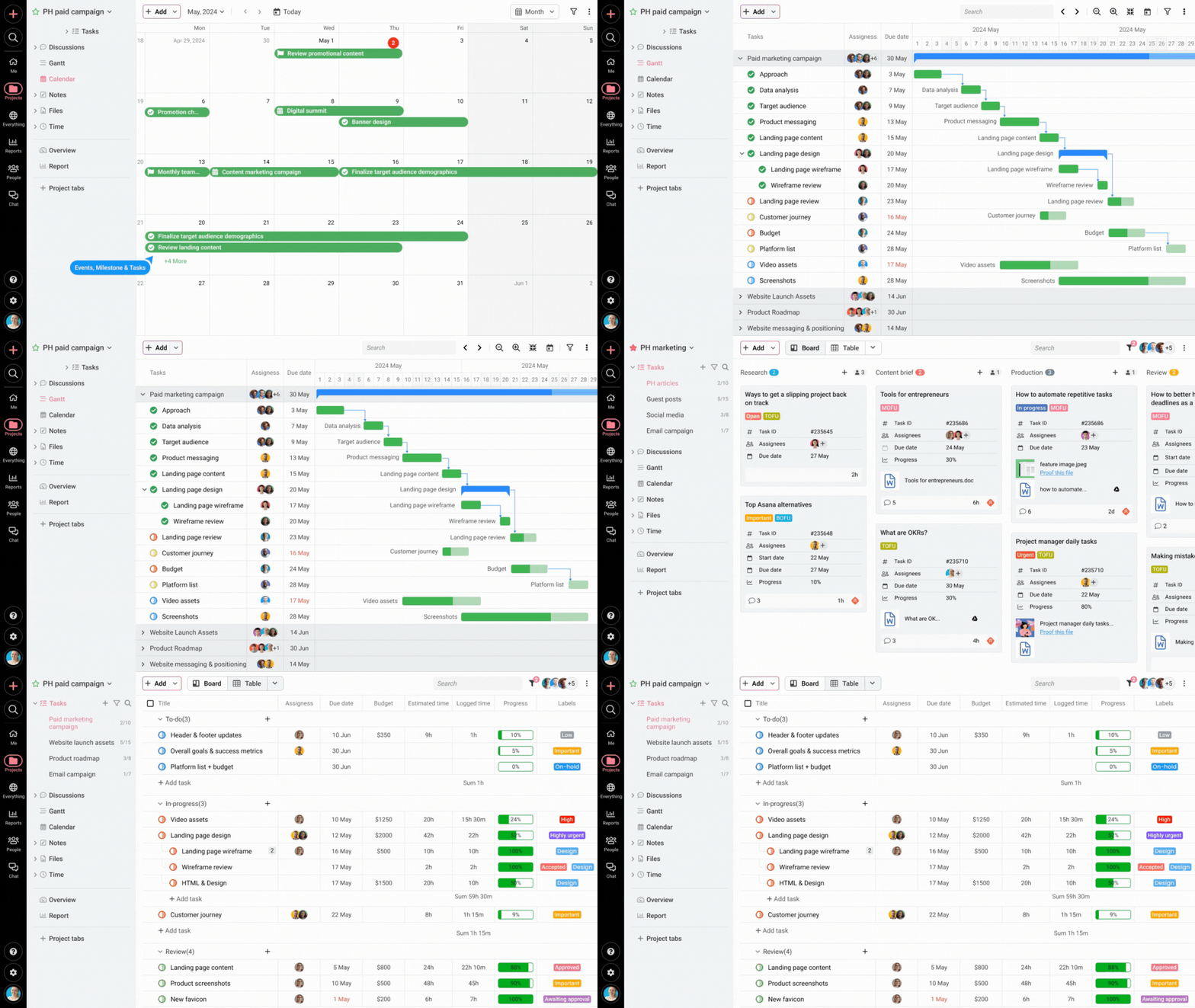
3. Centralizes and organizes communication: Keeps discussions, files, feedback, and updates in one place.
4. Task prioritization: Prioritize urgent and important tasks to ensure they are completed on time.
5. Balanced workloads: Even distribution of tasks among team members to prevent overloading and ensure everyone can contribute effectively.
No credit card required
Conclusion
Meeting deadlines is an important skill that helps to stay organized, reduce stress, and achieve goals on time. Team members play an important role in meeting deadlines.
However, managers are responsible for ensuring that work stays on track. You can use modern tools and technology to plan, track, and monitor progress, which helps you to meet deadlines.
You need to balance workload to prevent overloading. You can plan effectively to keep projects on track. This strengthens teamwork and builds trust and confidence within teams.
FAQs
Does meeting deadlines improve career growth?
Yes, meeting deadlines demonstrates reliability, professionalism, and accountability. These qualities often lead to stronger performance evaluations, promotions, and leadership opportunities.
What should you do if you miss a deadline?
Communicate the issue with your manager as soon as possible. Explaining obstacles helps maintain trust and reduces the negative impact of delays. Ask for a revised timeline and try to meet deadlines.
How much buffer time should I add to a deadline?
Buffer time depends on the complexity of the project. You can add 10-30% extra time to account for unexpected issues. This approach helps to reduce deadline risk.
What are the two types of deadlines?
The two types of deadlines are hard and soft. Hard deadlines cannot be modified, while soft deadlines allow slight modifications.
Is meeting deadlines a hard or soft skill?
Meeting deadlines is a soft skill that demonstrates reliability and accountability and can be developed through effective time management and prioritization techniques.
